
Lakeville's Housing Moratorium and What It Could Do to Supply
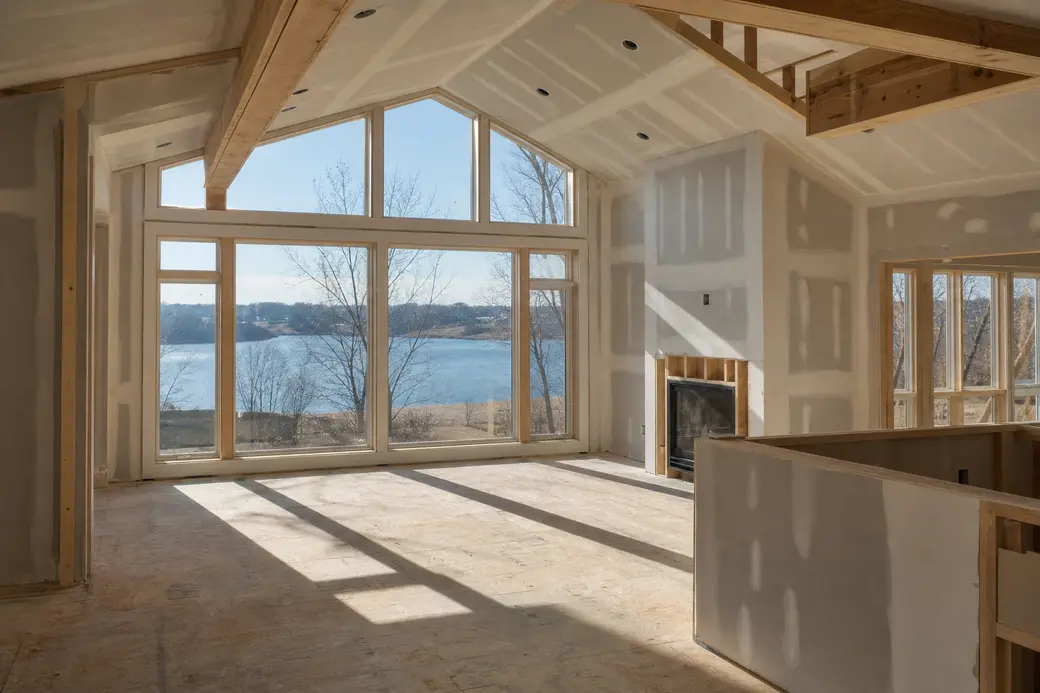
Lakeville adopted a one-year pause on new residential land-use applications in April 2026 to study regional planning impacts, but roughly 1,300 already-approved lots can still move forward. The moratorium could tighten future supply if it delays the next wave of development beyond the current pipeline.
Lakeville Housing Moratorium: What It Means for Supply
What does Lakeville's housing moratorium mean for future home supply?
Lakeville adopted an interim ordinance on April 20, 2026, pausing acceptance of new residential land-use applications, including plats, subdivisions, rezonings, and comprehensive plan amendments, for up to one year. Roughly 1,300 already-approved single-family and townhome lots are exempt and can proceed to construction. The pause creates a gap in the approval pipeline, which could tighten supply and support prices if demand continues to outpace the existing lot inventory before new applications resume.
Key Takeaways
- Lakeville's interim ordinance, adopted April 20, 2026, pauses new qualifying residential land-use applications for up to one year, until April 20, 2027 at the latest.
- Approximately 1,300 single-family and townhome lots already approved by the City Council are exempt from the moratorium and can continue moving to construction.
- Lakeville's estimated population reached 81,280 in 2026, up from 70,026 in the 2020 census, a gain of more than 11,000 residents in roughly six years.
- Recent local market data puts Lakeville's median sale price at $510,000 with a median of 31 days on market, the fastest pace among the South Metro areas tracked here.
- The moratorium is a pipeline pause, not a construction freeze, but if the next wave of raw-land applications is delayed significantly, supply pressure could build once the current approved lots are absorbed.
Why Did Lakeville Hit Pause on New Housing?
Lakeville is one of the fastest-growing cities in the Twin Cities South Metro, and that growth is starting to test the city's planning framework. According to a third-party population estimate, Lakeville reached 81,280 residents in 2026, up from the 2020 census count of 70,026. That's more than 11,000 new residents in roughly six years, at an annual growth rate of about 2.54%. For context on why more buyers are choosing Lakeville, MN in 2026, that kind of sustained demand doesn't happen by accident.
The city's response was an interim ordinance approved on April 20, 2026, that temporarily pauses acceptance and approval of new residential plats, subdivisions, comprehensive plan amendments, and rezonings. As MPR News reported in April 2026, the pause was framed as a way to study how growth pressure on infrastructure and schools intersects with the city's planning obligations.
Specifically, the city said it needs time to analyze how the Metropolitan Council's Imagine 2050 regional planning framework may require changes to Lakeville's 2040 Comprehensive Plan and related development controls. In plain terms: the rules that govern how Lakeville grows may need updating, and the city wants to get that work done before approving another round of raw-land subdivisions.
This is part of a bigger statewide picture. The Minnesota House has cited a 100,000-unit housing shortage across the state, a statewide figure, not Lakeville-specific, but it illustrates the pressure that fast-growing suburbs like Lakeville are absorbing from all directions.
What the moratorium actually restricts
The moratorium does not stop construction already underway. What it restricts is the intake of new qualifying residential land-use applications, the front end of the development pipeline, where raw land gets rezoned and platted into buildable lots. KSTP characterized it accurately as a pipeline pause, not a full construction freeze.
The ordinance can remain in effect until April 20, 2027, or end sooner if the city adopts updated official controls before that date.
What's Still Moving Forward Despite the Pause?
Here's the part that matters most for buyers and current owners: the moratorium comes with significant exemptions. According to the city's own explanation of the ordinance, the pause does not affect:
- Residential developments with preliminary plat approval already in hand
- Complete preliminary plat applications already submitted and accepted before the moratorium
- Properties already in the Alternative Urban Areawide Review (AUAR) process
As of the city's April 2026 communication, Lakeville had 675 single-family lots and 644 townhome units with preliminary or final plat approval that were unaffected. A May 2026 city publication put the combined figure at approximately 1,300 single-family and townhome lots already approved by the City Council, with housing construction expected to continue through the interim period.
That's a meaningful buffer. Near-term supply isn't disappearing. But that pipeline is finite, and if the moratorium runs its full course to April 2027, or if the city's updated planning framework introduces new constraints on raw-land development, the next wave of lots could take longer to reach the market than buyers and builders have been used to.
If you're weighing a new construction purchase right now, my post on Lakeville new construction: what buyers must know walks through what to evaluate before you commit to a lot or a builder contract. And for a deeper look at what the pause means specifically for buyers, see what Lakeville's building pause really means for homebuyers.
How the South Metro compares right now
Recent local market data puts Lakeville's median sale price at $510,000 with a median of 31 days on market, both figures reflecting trailing 90-day aggregated public listing data as of September 2026. That 31-day pace is notably faster than most neighboring South Metro cities. Here's how Lakeville stacks up against the rest of the area:
| Area | Median Sale Price | Median Days on Market |
|---|---|---|
| Lakeville | $510,000 | 31 |
| Apple Valley | $386,500 | 46 |
| Burnsville | $390,000 | 46 |
| Eagan | $404,088 | 34 |
| Prior Lake | $592,500 | 46 |
| Rosemount | $430,000 | 42 |
| Inver Grove Heights | $415,000 | 53 |
| Savage | $403,500 | 55 |
Individual home values vary by condition, street, build year, and timing, but the area-level picture is clear: Lakeville commands a premium and moves faster than most of its neighbors. That dynamic is a direct reflection of demand, and demand doesn't pause just because the city's application intake does.
What This Could Mean for Lakeville's Long-Run Value Story
The honest answer is that the long-run impact depends on how quickly the city works through its planning update and what the updated framework looks like on the other side.
If the city adopts revised official controls well before April 2027 and the new framework doesn't significantly restrict future development, the moratorium may amount to a brief administrative pause with limited market impact. The 1,300-plus approved lots provide enough near-term supply to absorb most of the demand that's already in the pipeline.
But if the pause runs its full course, or if the Imagine 2050 framework introduces new density requirements or infrastructure standards that slow the pace of future approvals, the gap between demand and supply could widen. Lakeville's population growth rate isn't slowing on its own. More than 11,000 new residents in six years means the city needs a steady stream of new housing, and a gap in the front end of the approval pipeline will eventually show up as tighter resale inventory and upward price pressure on existing homes.
For sellers, that's a scenario worth understanding. For buyers, especially those weighing a new build versus an existing home, the moratorium is a real factor in how you think about timing and lot availability. Your specific situation depends on where you are in the decision process, what's already approved in the area you're targeting, and what the builder's timeline looks like. That's exactly the kind of analysis worth running through before you make a move.
I'd also note that as someone who came up through homebuilding and residential development, I've seen how a planning pause like this can ripple through a market in ways that aren't obvious at first. The near-term supply buffer is real, but the longer the front-end pipeline sits idle, the more compressed the eventual lot release tends to be, and that can create its own set of pressures for buyers trying to time a build.
If you want to know where the active approved communities are, which builders are still moving lots, and how this affects your options in Lakeville right now, let's talk. Schedule a consultation and I'll walk you through what the current pipeline actually looks like for your price range and timeline.
Read what clients who've been through this process have to say on Google.
FAQ: Lakeville Housing Moratorium and Supply
Is Lakeville really under a housing moratorium right now?
Yes. Lakeville adopted an interim ordinance on April 20, 2026, that pauses acceptance of new qualifying residential land-use applications, including plats, subdivisions, rezonings, and comprehensive plan amendments. The pause can last up to one year, until April 20, 2027, or end earlier if the city adopts updated official controls. It is not a full construction freeze; projects with prior approval are still moving forward.
What parts of Lakeville new housing are paused and what is still allowed?
The moratorium pauses new applications for residential plats, subdivisions, comprehensive plan amendments, and rezonings on raw land. It does not affect developments that already have preliminary plat approval, complete applications already submitted and accepted before the ordinance, or properties already in the AUAR process. Construction on previously approved lots continues normally.
How many lots in Lakeville are already approved despite the moratorium?
According to city communications from April and May 2026, approximately 1,300 single-family and townhome lots had City Council approval and were exempt from the moratorium. That breaks down to roughly 675 single-family lots and 644 townhome units with preliminary or final plat approval already in hand.
When does Lakeville's housing pause end?
The interim ordinance can remain in effect until April 20, 2027 at the latest. It can end sooner if Lakeville adopts updated official controls before that date. The city has said the goal is to use the pause to study how the Metropolitan Council's Imagine 2050 regional planning framework affects Lakeville's 2040 Comprehensive Plan.
Could Lakeville's moratorium affect home prices or resale values later?
It could, depending on how long the pause lasts and what the updated planning framework looks like. Near-term supply is buffered by roughly 1,300 approved lots, but if the front-end approval pipeline stays closed long enough to create a gap between those lots being absorbed and the next wave being approved, tighter supply could support further price appreciation. Lakeville's median sale price already sits at $510,000 with a 31-day median on market, faster than most South Metro neighbors, so demand pressure is already present.
Ready to talk through how this affects your situation? Whether you're buying, selling, or weighing a new construction contract, I can walk you through what the current lot pipeline looks like and where the real opportunities are. Schedule a consultation with The Eaton Group and let's get specific.
Equal Housing Opportunity. Austin Eaton is licensed in Minnesota, regulated by the Minnesota Department of Commerce. This article is general information only and is not legal, tax, or financial advice. Confirm your own numbers with your title company, tax advisor, or lender.
Categories
Recent Posts
GET MORE INFORMATION