

Established South Metro Home or New Build in Lakeville?
The decision comes down to which set of unknowns you'd rather manage. A new Lakeville build asks you to verify the builder, the lot's approval status, and the unfinished surroundings. An established home asks you to verify the roof, mechanicals, and drainage. Compare specific addresses, not construction years, and have each one inspected.
Is a new Lakeville build or an established South Metro home the better choice?
Neither wins automatically. A new Lakeville build usually means fewer near-term repairs and a current layout, but you take on unfinished surroundings and a builder's workmanship you can't fully see. An established South Metro home lets you judge the street, trees, and neighborhood as they are today, but its roof, windows, and mechanical systems each carry their own age. The right pick depends on the specific address, not the construction year.
Key Takeaways
- Lakeville's median sale price was $509,646 for all home types sold August to October 2026, the highest of the eight South Metro areas in the comparison table below, so your choice of area changes your budget before new versus resale does.
- Lakeville homes sold August to October 2026 averaged 99.1% of list price, with 28% selling above list and 47% below, so pricing in this market is address-specific rather than one-directional.
- Lakeville issued permits for 133 single-family homes through July 2026, so new-construction activity is real, but each subdivision sits in a different part of the city.
- A newer home describes what's visible at delivery, not proven workmanship, so a builder's spec sheet and an older home's inspection report should be compared on the same terms.
- Many Lakeville builders are currently offering incentives including rate buydowns, free design-center upgrades, and in some cases payment assistance in the early months. The terms vary by builder and lot, so comparing packages on the actual numbers matters before you sign anything at a model home.
- Lot size, privacy, and trail or park access are address-specific, and citywide amenity counts don't tell you what you'll have from your front door.
What does the Lakeville market look like for buyers weighing new against resale?
It's a market with room to negotiate but not one that's slow. Recent local market data for all home types sold in Lakeville from August to October 2026 shows a median sale price of $509,646, up 1.9% from $500,000 in the same window a year earlier. In that window 329 homes sold, compared with 275 a year earlier, and the median time from listing to going under contract was 33 days.
Months of supply sat at 2.8, and homes for sale now number 456 active listings. In the same sold window, 47% of listings had a price cut averaging 3.0%. That tells me buyers have some leverage on the right property, and that leverage depends on the home, not the city.
One caution: these figures cover all home types, not new construction versus resale separately. I'd rather tell you that than hand you a made-up split. Here's how Lakeville compares with other South Metro areas on the same measures.
| Area | Median Sale Price | Homes Sold |
|---|---|---|
| Lakeville | $509,646 | 329 |
| Apple Valley | $369,743 | 185 |
| Burnsville | $389,729 | 193 |
| Eagan | $414,712 | 194 |
| Prior Lake | $494,656 | 103 |
| Rosemount | $429,909 | 157 |
| Inver Grove Heights | $404,718 | 114 |
| Savage | $424,705 | 77 |
These are area-level medians. An individual home's value depends on condition, street, build year, and timing, which is why I run a comparison on the specific properties you're considering rather than quoting you an area average.
For the regional picture, the October 2026 Minneapolis Area REALTORS® report recorded 5,539 new listings across the Twin Cities region, down 6.5% from the comparable prior period. That's a regional indicator, not a Lakeville resale statistic, so I use it for context only.
How do the tradeoffs differ between a new build and an established South Metro home?
They differ in what you know on closing day versus what you have to find out. Here's the side-by-side I walk buyers through.
| Attribute | New build in Lakeville | Established South Metro home |
|---|---|---|
| Near-term upkeep | Systems and finishes are new, but workmanship is unproven | Each system has its own age and replacement history |
| Lot and trees | Often consistent lot dimensions, young landscaping | Mature trees and more varied lot layouts |
| Surroundings | May still be changing, with nearby phases and vacant lots | Streets, neighbors, and traffic are observable today |
| Layout | Current floor plans, with options chosen at contract | Fixed layout, with changes done through remodeling |
| Warranty and records | Builder warranty terms in your contract | Seller records, inspection findings, and repair history |
Which one needs less work after closing?
A new build typically needs less immediate repair work, because everything from the roof to the water heater starts at age zero. That's a real advantage, and I'm not going to talk you out of it.
But "new" isn't the same as "finished." Landscaping, grading, and punch-list items often fall to you after you move in. On the other side, an established South Metro home might have a 3-year-old roof and a 25-year-old furnace, or the reverse. You find out through a property-specific inspection and the seller's records, never from the build year alone.
How do lots, privacy, and layout compare?
Both depend on the address. New subdivisions can offer consistent lot dimensions and planned sidewalks or trails. Established neighborhoods can offer mature trees and more varied lot layouts.
Lakeville's 2026 budget summary lists about 70 park properties, 49 playgrounds, roughly 125 miles of paved trails, and 100 miles of sidewalks. Those are citywide totals. They don't tell you the walking distance from a specific lot, so check the route yourself before you fall for a floor plan.
Layout matters more than most buyers expect, because it's the one thing you can't easily change. I cover how to judge it in Judge a Lakeville Home's Layout for the Long Term.
What's different about buying in an area that's still being built?
You're buying a location that's still changing, so ask what's left to be built. The city's June 30, 2026 development-project report lists active single-family and townhome developments, including Amelia Meadows, Berres Ridge, Feldman Heights, Glacier Creek, Highview Ridge, and Redstone Development. They sit in different parts of the city, near County Road 64 and Cedar Avenue, Dodd Boulevard, Highview Avenue, and the 181st to 190th Street area. Treating "Lakeville" as one uniform location is a mistake.
Timing is worth understanding too. The city's Planning & Zoning page describes a temporary pause the council adopted in 2026 on certain new residential plat, subdivision, rezoning, and comprehensive-plan-amendment applications. It did not stop all construction. As of May 2026, the city said approximately 1,300 single-family and townhome lots were already approved and would keep moving, per its May 2026 Thrive newsletter. Through July 2026, the city's August 2026 Thrive reported permits for 133 single-family homes.
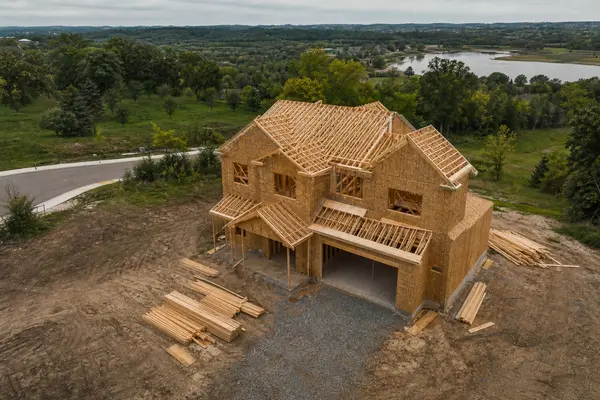
So if you're eyeing a new build, ask whether the lot is already approved, whether it's in a later phase, and what work remains before occupancy. The city's construction projects page shows ongoing street, water, stormwater, and trail work, so also check what's planned near your address. A capital plan isn't a promise that everything finishes on your schedule.
Does new construction mean better construction?
No. Newer finishes tell you what's visible at delivery, not how well the home was built. As a former homebuilder, I look at framing, grading, drainage, and layout first and countertops last, because the finishes are the easiest part to replace and the structure is the hardest.
The same standard applies to an established home. Newer doesn't mean better, and older doesn't mean worse. Both should be judged on documented facts: an inspection report, the builder's specifications, and the seller's records of what has been updated and when. If you're comparing builders, my post on how to compare builders in Lakeville walks through that side.
Builder incentives in Lakeville right now
Many Lakeville builders are currently offering significant incentives to attract buyers. I'm seeing packages that include substantially reduced interest rates through the builder's preferred lender, free upgrades at the design center, and in at least one case, a builder covering the first six months of mortgage payments. These offers can meaningfully change the math on a new build compared with a resale home.
The catch is that incentive packages vary by builder, by community, and sometimes by individual lot. A rate buydown that looks impressive in a sales brochure may be tied to the builder's preferred lender at terms that don't actually beat what you'd find on your own. Free upgrades can be structured to steer you toward finishes the builder already planned to use. And payment assistance programs have conditions worth reading carefully.
Part of what I do is help buyers cut through the marketing and figure out which package actually delivers the most value for their situation. That means comparing the real cost of the incentive against the purchase price, the lot, and the builder's track record, not just the headline number. If you're weighing a new build right now, that conversation is worth having before you sign anything at a model home.
What should you check before choosing a new build or an established South Metro home?
Check the same short list on both, so the comparison is fair. Here's how I'd set it up.
- Get the specs in writing. For a new build, that means the builder's specifications and warranty terms. For resale, it means the seller's records of updates and repairs.
- Inspect both. A new home still benefits from an independent inspection, and an established home needs one to establish the age and condition of its roof, windows, mechanicals, and drainage.
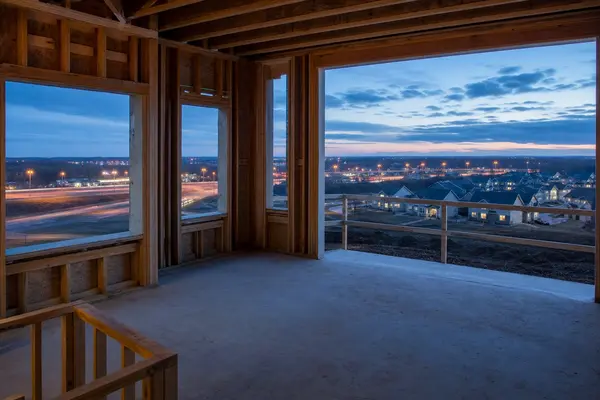
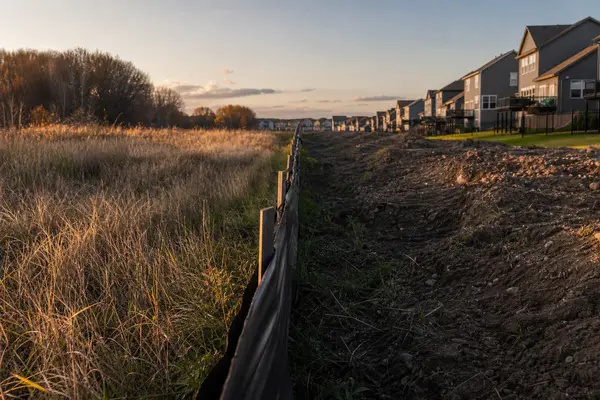
- Walk the surroundings. In a new subdivision, look at the status of roads, sidewalks, landscaping, common areas, stormwater facilities, nearby phases, and vacant lots. In an established area, look at traffic patterns, completed streets, and the condition of neighboring homes.
- Price the work after closing. A new home may need fencing, landscaping, or window coverings. An established home may need updates. Weigh both against the asking price.
- Test the commute and daily routes from the exact address, not from the city name.
If you want a deeper look at the new-construction side, start with Lakeville New Construction: What Buyers Must Know, and for lot supply and pricing context see Lakeville's Available Lots and Resale Pricing in 2026.
Your answer depends on your timeline, your tolerance for projects, and the specific homes on your short list. That's exactly the comparison I run with buyers before they write an offer. If you tell me the two or three properties you're weighing, I'll lay them side by side on the facts above.
If you'd like to see how past clients have felt about working with me, you can read my Google reviews.
FAQ
Is buying a new-construction home in Lakeville better than buying an established home in the South Metro?
Not automatically. New construction usually means fewer immediate repairs and a current layout, while an established home offers a street and neighborhood you can evaluate as they exist today. Which one fits depends on the specific address, your budget, and how much work you're willing to take on.
What should I inspect in a brand-new Lakeville home before closing?
Have an independent inspector look at the home, even though it's new. Focus on the items that are costly to fix later, such as grading and drainage, the mechanical systems, and the workmanship you can still see. Also review the builder's warranty terms in your contract so you know how repairs are handled after you move in.
Are newer Lakeville homes usually more energy-efficient than older South Metro homes?
Often, but not guaranteed. Newer homes may be built to more recent energy standards, yet actual performance depends on the specific home. An older home with updated windows, insulation, and mechanicals can compare well, so ask for the builder's specs or the older home's documented updates and verify them with your inspector.
Do new-construction neighborhoods in Lakeville have smaller lots than older South Metro neighborhoods?
Not always, so check the exact lot. New subdivisions tend to have consistent lot dimensions, while established neighborhoods often have more varied lots and mature trees. Compare lot size, setbacks, and privacy at each specific address rather than assuming by age of the neighborhood.
Are Lakeville builders offering incentives right now?
Yes, and the packages are more aggressive than many buyers expect. I'm currently seeing rate buydowns through builders' preferred lenders, free upgrades at the design center, and in at least one case a builder covering the first six months of mortgage payments. The terms differ by builder, community, and sometimes by lot, so the headline offer isn't always the best deal. I help buyers compare packages on the actual numbers so they know what they're really getting before they sign at a model home.
What should I check about roads, sidewalks, trails, and nearby development before buying in a new subdivision?
Confirm what's finished and what's still to come. Ask about the status of roads, sidewalks, landscaping, stormwater facilities, and nearby phases or vacant lots, and review the city's development and construction project pages for work planned near your address. Citywide trail and park totals don't tell you your own walking route, so check that yourself.
The bottom line on choosing between the two
Weigh a new Lakeville build and an established South Metro home on the same checklist: upkeep, lot, layout, surroundings, and documented condition. I help buyers across the South Metro make that comparison on real properties, so you aren't deciding on finishes or construction year alone. When you're ready, schedule a consultation with me and we'll compare your short list side by side.
Equal Housing Opportunity. Real Broker, LLC is regulated by the Minnesota Department of Commerce. This article is general information, not legal, tax, or financial advice; confirm your own numbers with your title company, tax advisor, or lender.
Categories
Recent Posts


GET MORE INFORMATION